
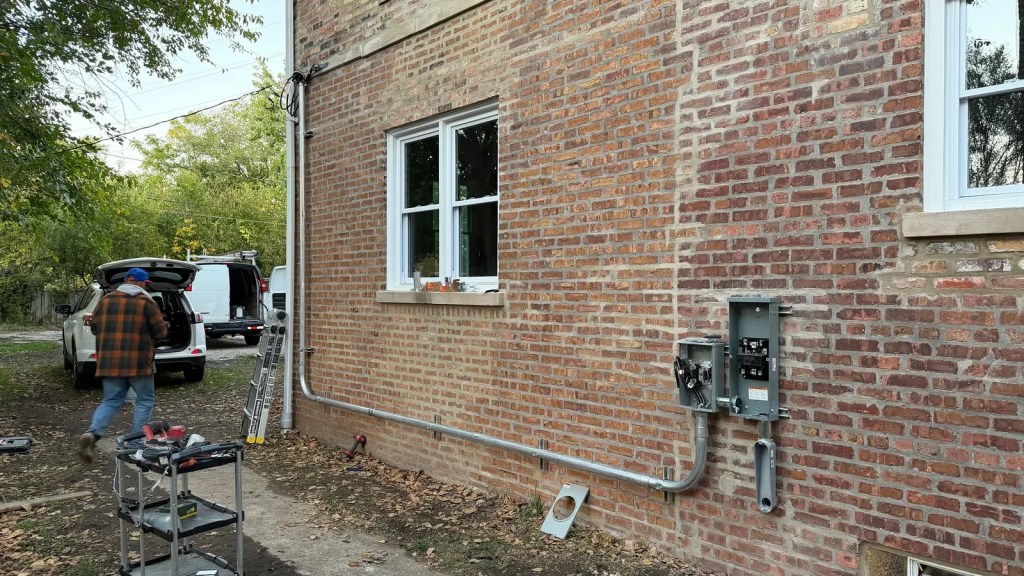
Water treatment electrical
Street and site electrical is a different trade from building electrical. Quik Wire Electric handles water treatment electrical across Des Plaines and 24 Illinois counties. Licensed, insured, permitted where it needs to be.
- Licensed
Illinois electrical contractor license. The work passes inspection.
- Insured
Full coverage on every job, residential through municipal.
- 24/7
No power, burning smell, breaker that will not hold. We answer.
- Permits pulled
The village gets its permit and you get the inspection record.

What water treatment electrical involves
Street and site electrical is a different trade from building electrical. The work starts with finding out what is actually there. With water treatment electrical, that means looking at the existing wiring, the panel capacity and whatever the last person left behind.
We tell you what we find before we tell you what it costs. If the scope is smaller than you expected, it gets smaller. That happens more often than people assume.
Where this comes up
Street lighting, traffic signals, pump stations and underground distribution. Most of these calls come from Des Plaines and the surrounding suburbs, but we take them anywhere in our service area.
Previous work is the wild card. Plenty of Illinois homes and shops have circuits somebody extended on a weekend, splices buried in a wall with no box, and breakers upsized to stop a nuisance trip. We find those first, because they decide what is safe to build on.
How we do it
We protect the floors, keep the mess contained and haul out what we remove. The work itself goes in to code, and where a permit applies, it gets pulled and inspected.
What we see go wrong
Most of the bad work we find was not done by an electrician. It was a handyman, a previous owner or somebody who watched a video. Backstabbed outlets, undersized conductors, missing grounds, neutrals and grounds bonded in a subpanel, junctions buried inside a wall with no box.
None of that is visible from the living room. It surfaces during a remodel, a home inspection, or the day a breaker stops holding.
What happens when we are done
Most panels we open have labels that stopped being true years ago. Ours come out accurate. Every circuit we work on is tested and named in the panel directory, so the next electrician, or you at midnight with a tripped breaker, knows exactly what is what.
Where a permit was pulled you get the closed inspection. Where documentation exists, you get it.
The inspection is the point
An inspection is an independent check that what went behind the drywall matches what was supposed to. Work that passes has been verified by somebody with no stake in the invoice.
That is also why we would rather you hire a licensed contractor than the cheapest number you can find. Unpermitted electrical work is a problem you inherit, and it usually surfaces at the worst moment.
Materials and why they matter
Devices are not all the same. A fifty-cent backstabbed outlet holds the conductor with a spring clip; a commercial-grade one clamps it under a screw plate. The second kind is a couple of dollars more and it is the reason the connection is still tight in fifteen years.
We use commercial-grade devices as standard. It is a small share of the job cost and it is the part most likely to fail if you go cheap on it.
The warning signs people ignore
Lights that dim when a large appliance starts. Outlets that only work sometimes. A breaker that trips every few weeks rather than every day. A faceplate that is warm. Each of those is a fault that has not finished developing yet.
A faint smell that comes and goes is worth a call. Overheating insulation gives off that smell well before anything is visibly scorched.
We tell you what is wrong before we tell you what it costs.
How the job runs
- Step 1
Call
An electrician picks up. Describe what you are seeing and we will tell you how urgent it is.
- Step 2
Diagnose
We find the actual fault. Not a guess, and not a rewire you did not need.
- Step 3
Price
You get the number before the work starts, in writing.
- Step 4
Permit
Where the village requires one, we pull it. That is on us, not on you.
- Step 5
Install
Licensed and insured, to code, cleaned up behind us.
- Step 6
Inspect
We meet the inspector and we sign off. You get the documentation.
Other infrastructure work
Related services we handle with the same crew.
- Municipal street lightingStreet lighting, traffic signals, pump stations and underground distribution.
- Traffic signal electricalStreet lighting, traffic signals, pump stations and underground distribution.
- Traffic signal infrastructureStreet lighting, traffic signals, pump stations and underground distribution.
- Pedestrian crossing signalsStreet lighting, traffic signals, pump stations and underground distribution.
- Municipal parking lot lightingStreet lighting, traffic signals, pump stations and underground distribution.
- Park lightingStreet lighting, traffic signals, pump stations and underground distribution.
- Municipal athletic field lightingStreet lighting, traffic signals, pump stations and underground distribution.
- Municipal parking facilitiesStreet lighting, traffic signals, pump stations and underground distribution.
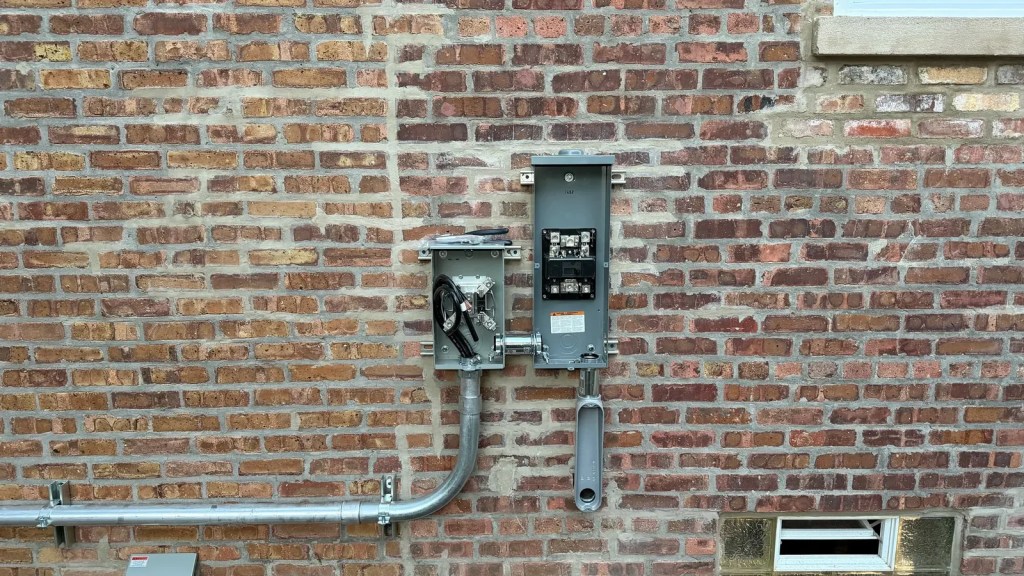
Water treatment electrical, done on the record
On the record means a licensed electrician, real insurance, a permit when the village calls for one, and an inspector’s sign-off.
Water treatment electrical questions
Do you handle water treatment electrical in Des Plaines?
Yes. Water treatment electrical is work we do regularly out of our Des Plaines shop, and we cover 24 counties across Illinois. Call and we will tell you when we can be there.
Is the work permitted and inspected?
Yes, whenever the job calls for it. We file the permit with the village or city, schedule the inspection and are there when the inspector arrives. The paperwork comes to you at the end.
How soon can you start?
Fast. Emergencies are handled the same day, around the clock. Planned jobs typically begin within a few days unless a permit has to clear or a part has to arrive.
Are you licensed for this?
Every job is done under Quik Wire Electric’s Illinois electrical contractor license, and the company is insured. We do not hand the work off to anyone outside that license.
What does it cost?
We price each job from what it actually needs, so we look before we name a number. The price is written down before work begins and only changes if the scope changes, and you hear about that before it happens.
Where we work
We cover 527 municipalities across 24 counties.
- Des Plaines, ILWater treatment electrical in Des Plaines and the rest of Cook County.
- Park Ridge, ILWater treatment electrical in Park Ridge and the rest of Cook County.
- Palatine, ILWater treatment electrical in Palatine and the rest of Cook County.
Need water treatment electrical?
Call (224) 245-6038. You get an electrician, not a call center.
Describe the problem and an electrician gets back to you. Curious what our installs look like? See the gallery.