
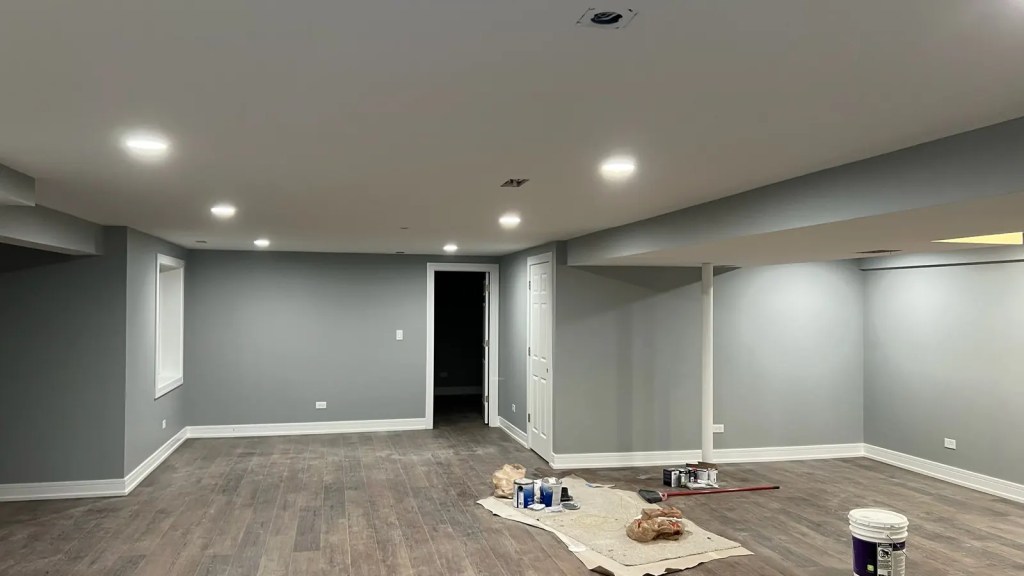
Energy-efficient lighting upgrades
Good lighting is a wiring problem before it is a fixture problem. Quik Wire Electric handles energy-efficient lighting upgrades across Des Plaines and 24 Illinois counties. Licensed, insured, permitted where it needs to be.
- Licensed
Illinois electrical contractor license. The work passes inspection.
- Insured
Full coverage on every job, residential through municipal.
- 24/7
No power, burning smell, breaker that will not hold. We answer.
- Permits pulled
Where the village requires one we file it and meet the inspector.
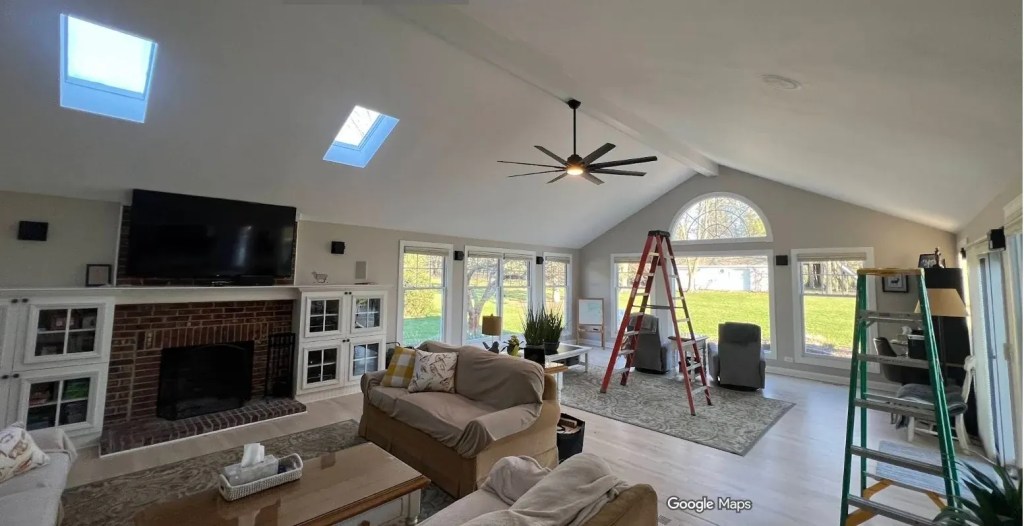
What energy-efficient lighting upgrades involves
Good lighting is a wiring problem before it is a fixture problem. The work starts with finding out what is actually there. With energy-efficient lighting upgrades, that means looking at the existing wiring, the panel capacity and whatever the last person left behind.
Plenty of calls end with a smaller bill than people braced for. A tripping breaker is often a single bad device, and a dead outlet is often a loose wire two boxes away.
Where this comes up
Interior, exterior, parking lots, athletic fields and the controls that run them. Most of these calls come from Des Plaines and the surrounding suburbs, but we take them anywhere in our service area.
Older Illinois buildings rarely match the drawings, if there are drawings at all. Circuits wander between floors, junction boxes hide above ceilings, and a single breaker might feed a bedroom and half the kitchen. Tracing it properly is the first hour of a lot of jobs.
How we do it
The electrician who quotes the job comes from the same crew that does it. We work to the current code, test every circuit before we leave and label the panel so the next person can read it.
What we see go wrong
Most of the bad work we find was not done by an electrician. It was a handyman, a previous owner or somebody who watched a video. Backstabbed outlets, undersized conductors, missing grounds, neutrals and grounds bonded in a subpanel, junctions buried inside a wall with no box.
None of that is visible from the living room. It surfaces during a remodel, a home inspection, or the day a breaker stops holding.
What happens when we are done
Before we leave, everything we installed or repaired gets tested under load. Then we walk you through what we did, show you the panel, and point out anything we noticed that you should keep an eye on. You know what was done and why.
Where a permit was pulled you get the closed inspection. Where documentation exists, you get it.
Code, permits and inspection
Code is a minimum, written so that the next person in the wall finds something safe. We build to it on every job, and where a permit applies, the inspection proves it. The paperwork stays with the building, which matters most when you sell.
We deal with whichever jurisdiction the job sits in. We pull the permit, we schedule the inspection, and we are there when the inspector walks it. You get the paperwork at the end, which matters when you sell the building or when an insurer asks.
Grounding and bonding
Grounding is the part nobody sees and the part that decides whether a fault clears safely. The ground path has to be continuous and low-impedance from every device back to the service, and the neutral and ground can only be bonded together in one place.
A neutral bonded to ground in a subpanel is one of the most common defects we find. It works right up until it does not, and then it puts current on metal that people touch.
When to stop and call
If something electrical is giving off heat or a smell, stop using the circuit and call. A fault you can sense from across the room is already past the early stage.
Do not keep resetting a breaker that will not hold. It is doing its job. Something downstream is drawing more than the circuit is rated for, or there is a fault, and repeated resets remove the one protection that is working.
Lighting is a wiring problem first
Most lighting complaints are not about the fixture. They are about how many circuits are available, where the switches are, whether the dimmer matches the driver in the lamp, and whether the boxes can carry the weight of what is going on them.
Retrofitting LED into fittings designed for incandescent introduces its own issues, usually flicker or buzz from a dimmer that was never meant for an electronic load.
We tell you what is wrong before we tell you what it costs.
How the job runs
- Step 1
Call
Call and talk it through with a licensed electrician. We will be honest about how serious it sounds.
- Step 2
Diagnose
We find the actual fault. Not a guess, and not a rewire you did not need.
- Step 3
Price
You get the number before the work starts, in writing.
- Step 4
Permit
Where the village requires one, we pull it. That is on us, not on you.
- Step 5
Install
Licensed and insured, to code, cleaned up behind us.
- Step 6
Inspect
We meet the inspector and we sign off. You get the documentation.
Other lighting work
Related services we handle with the same crew.
- Lighting commercial lightingInterior, exterior, parking lots, athletic fields and the controls that run them.
- Residential lightingInterior, exterior, parking lots, athletic fields and the controls that run them.
- Municipal lightingInterior, exterior, parking lots, athletic fields and the controls that run them.
- Government lightingInterior, exterior, parking lots, athletic fields and the controls that run them.
- Lighting LED lightingInterior, exterior, parking lots, athletic fields and the controls that run them.
- Lighting LED retrofitsInterior, exterior, parking lots, athletic fields and the controls that run them.
- Lighting interior lightingInterior, exterior, parking lots, athletic fields and the controls that run them.
- Lighting exterior lightingInterior, exterior, parking lots, athletic fields and the controls that run them.
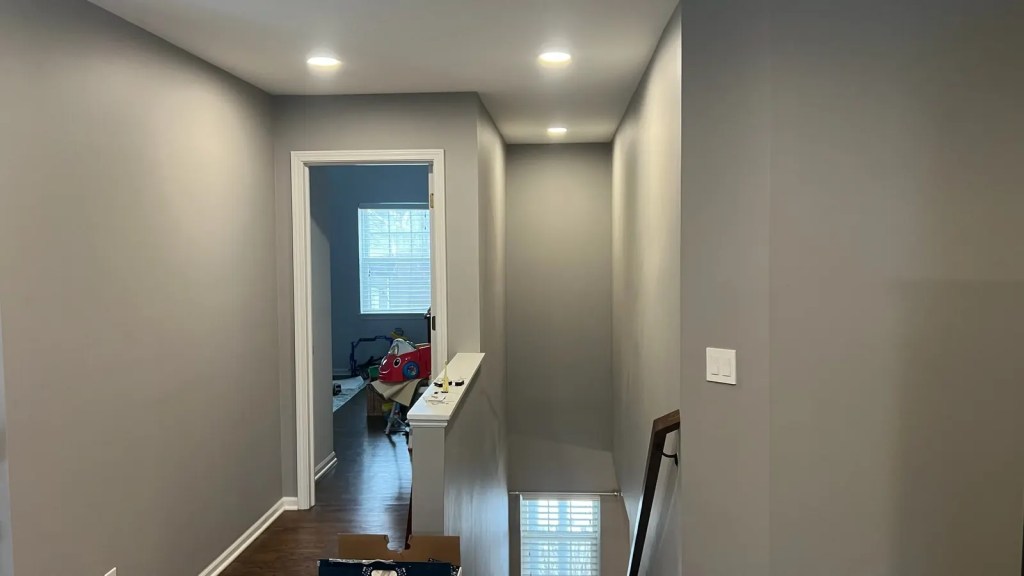
Energy-efficient lighting upgrades, done on the record
No shortcuts that skip the permit. The work is licensed and insured, and it is inspected before we call it done.
Energy-efficient lighting upgrades questions
Do you handle energy-efficient lighting upgrades in Des Plaines?
Yes. Energy-efficient lighting upgrades is work we do regularly out of our Des Plaines shop, and we cover 24 counties across Illinois. Call and we will tell you when we can be there.
Is the work permitted and inspected?
Yes. We pull the permit under our license, meet the inspector on site and hand you the closed-out documentation when the job is done.
How soon can you start?
Scheduled work usually starts within a few days, slower only if a permit or a part is holding it up. Emergencies get seen the same day.
Are you licensed for this?
It is the first thing you should ask. The answer is yes: Quik Wire Electric holds an Illinois electrical contractor license and carries insurance on every job.
What does it cost?
Sometimes less than people expect, because if a part does not need replacing we say so. Either way you get a written price after we have seen the job, and it holds unless the scope changes.
Where we work
We cover 527 municipalities across 24 counties.
- Des Plaines, ILEnergy-efficient lighting upgrades in Des Plaines and the rest of Cook County.
- Schaumburg, ILEnergy-efficient lighting upgrades in Schaumburg and the rest of Cook County.
- Park Ridge, ILEnergy-efficient lighting upgrades in Park Ridge and the rest of Cook County.
Need energy-efficient lighting upgrades?
Call (224) 245-6038. You get an electrician, not a call center.
Rather judge us by the work? Our gallery shows real jobs. If something is wrong right now, reach an electrician here.