
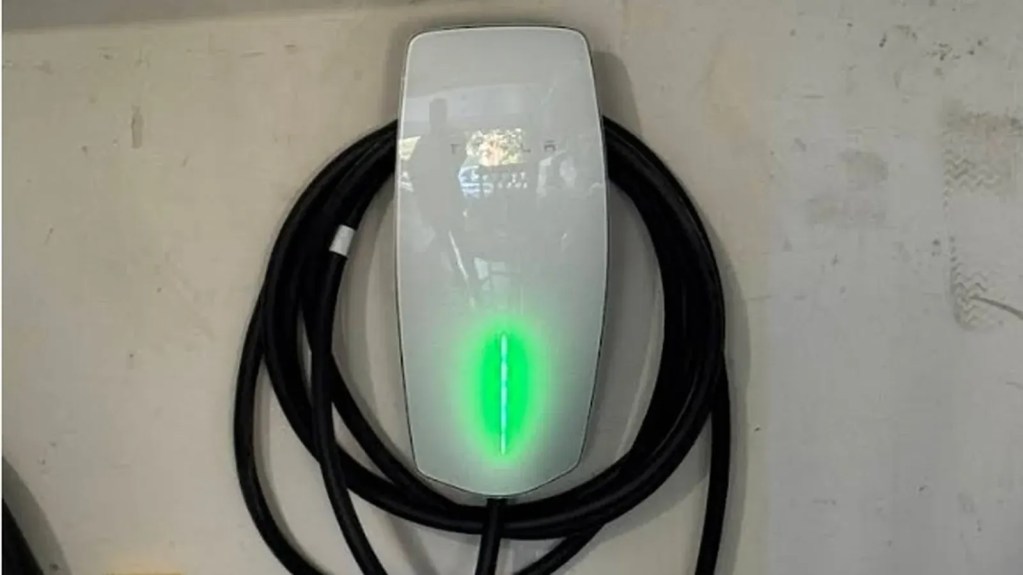
Municipal EV charging
An EV charger is a big continuous load on a panel that was never asked for one. Quik Wire Electric handles municipal EV charging across Des Plaines and 24 Illinois counties. Licensed, insured, permitted where it needs to be.
- Licensed
Illinois electrical contractor license. The work passes inspection.
- Insured
Full coverage on every job, residential through municipal.
- 24/7
No power, burning smell, breaker that will not hold. We answer.
- Permits pulled
Permitted work stays on the record, from filing through the final inspection.
What municipal EV charging involves
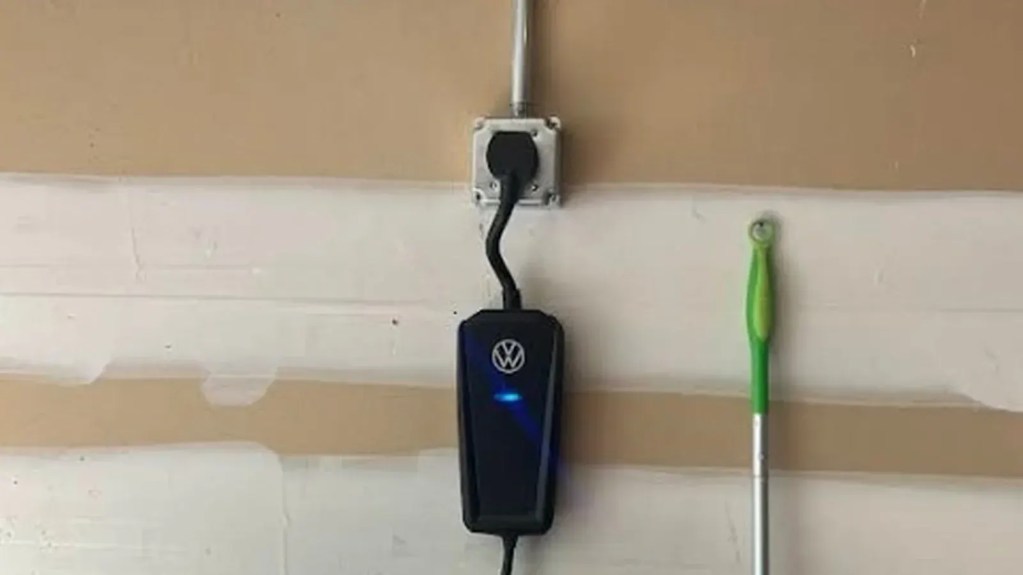
An EV charger is a big continuous load on a panel that was never asked for one. The work starts with finding out what is actually there. With municipal EV charging, that means looking at the existing wiring, the panel capacity and whatever the last person left behind.
We explain the job in plain terms before anything starts: what we are changing, why, and how long the power will be off. If a smaller fix does the job, that is the fix you get.
Where this comes up
Level 2 at home, DC fast and fleet charging for business and municipal sites. Most of these calls come from Des Plaines and the surrounding suburbs, but we take them anywhere in our service area.
New load on old wiring is the most common version. A heat pump or a charger for the car goes in, the circuits that were fine until then start complaining, and the real question becomes whether the existing service can carry it at all.
How we do it
We protect the floors, keep the mess contained and haul out what we remove. The work itself goes in to code, and where a permit applies, it gets pulled and inspected.
What we see go wrong
Most of the bad work we find was not done by an electrician. It was a handyman, a previous owner or somebody who watched a video. Backstabbed outlets, undersized conductors, missing grounds, neutrals and grounds bonded in a subpanel, junctions buried inside a wall with no box.
None of that is visible from the living room. It surfaces during a remodel, a home inspection, or the day a breaker stops holding.
What happens when we are done
Most panels we open have labels that stopped being true years ago. Ours come out accurate. Every circuit we work on is tested and named in the panel directory, so the next electrician, or you at midnight with a tripped breaker, knows exactly what is what.
Where a permit was pulled you get the closed inspection. Where documentation exists, you get it.
The inspection is the point
An inspection is an independent check that what went behind the drywall matches what was supposed to. Work that passes has been verified by somebody with no stake in the invoice.
That is also why we would rather you hire a licensed contractor than the cheapest number you can find. Unpermitted electrical work is a problem you inherit, and it usually surfaces at the worst moment.
Materials and why they matter
Devices are not all the same. A fifty-cent backstabbed outlet holds the conductor with a spring clip; a commercial-grade one clamps it under a screw plate. The second kind is a couple of dollars more and it is the reason the connection is still tight in fifteen years.
We use commercial-grade devices as standard. It is a small share of the job cost and it is the part most likely to fail if you go cheap on it.
What to do before we arrive
Outdoor problem, like a damaged service mast or a line down near the house? Stay well back from it and keep others back too. Do not try to move anything. That one involves ComEd as well as us, and we will coordinate it.
Keep track of patterns. Does it happen in the morning, in the rain, when the microwave runs? Patterns point us straight at the fault.
Load calculation comes first
An EV charger is a continuous load, which means the code requires the circuit to be sized at 125 percent of its rating. A 48-amp charger therefore needs a 60-amp circuit, and that has to fit inside what the service can already carry alongside the furnace, range, dryer and air conditioning.
We run the calculation before anything gets ordered. Sometimes the answer is that the panel takes it as-is, sometimes it needs a load management device, and sometimes the service genuinely needs upgrading first. You get the real answer rather than the convenient one.
We tell you what is wrong before we tell you what it costs.
How the job runs
- Step 1
Call
Start with a phone call. An electrician hears the details and tells you if it is an emergency or something to schedule.
- Step 2
Diagnose
We find the actual fault. Not a guess, and not a rewire you did not need.
- Step 3
Price
You get the number before the work starts, in writing.
- Step 4
Permit
Where the village requires one, we pull it. That is on us, not on you.
- Step 5
Install
Licensed and insured, to code, cleaned up behind us.
- Step 6
Inspect
We meet the inspector and we sign off. You get the documentation.
Other ev work
Related services we handle with the same crew.
- EV charger installationLevel 2 at home, DC fast and fleet charging for business and municipal sites.
- EV charger repairLevel 2 at home, DC fast and fleet charging for business and municipal sites.
- EV charger maintenanceLevel 2 at home, DC fast and fleet charging for business and municipal sites.
- EV level 2 EV chargersLevel 2 at home, DC fast and fleet charging for business and municipal sites.
- DC fast chargersLevel 2 at home, DC fast and fleet charging for business and municipal sites.
- EV fleet charging stationsLevel 2 at home, DC fast and fleet charging for business and municipal sites.
- Workplace EV chargingLevel 2 at home, DC fast and fleet charging for business and municipal sites.
- Apartment EV chargingLevel 2 at home, DC fast and fleet charging for business and municipal sites.
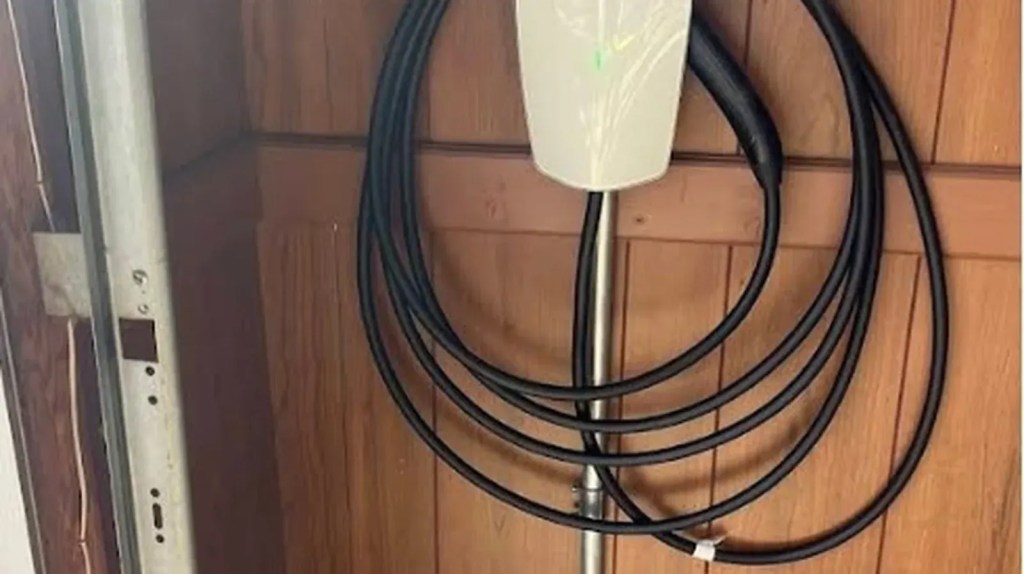
Municipal EV charging, done on the record
On the record means a licensed electrician, real insurance, a permit when the village calls for one, and an inspector’s sign-off.
Municipal EV charging questions
Do you handle municipal EV charging in Des Plaines?
Yes. Municipal EV charging is work we do regularly out of our Des Plaines shop, and we cover 24 counties across Illinois. Call and we will tell you when we can be there.
Is the work permitted and inspected?
Yes. Permit requirements change from one village to the next, so we check before we start, pull what is needed and stay through the inspection.
How soon can you start?
Urgent problems, same day. Everything else, usually within a few days of your call. If the village needs a permit before we start, the permit sets the date.
Are you licensed for this?
Yes. You are hiring a licensed Illinois electrical contractor with insurance in place, so if something goes wrong, there is a company accountable for it.
What does it cost?
We price each job from what it actually needs, so we look before we name a number. The price is written down before work begins and only changes if the scope changes, and you hear about that before it happens.
Where we work
We cover 527 municipalities across 24 counties.
- Des Plaines, ILMunicipal EV charging in Des Plaines and the rest of Cook County.
- Elgin, ILMunicipal EV charging in Elgin and the rest of Kane County.
- Rolling Meadows, ILMunicipal EV charging in Rolling Meadows and the rest of Cook County.
Need municipal EV charging?
Call (224) 245-6038. You get an electrician, not a call center.
Photos of finished panels and service work are in the gallery. When you are ready, send us the details.