
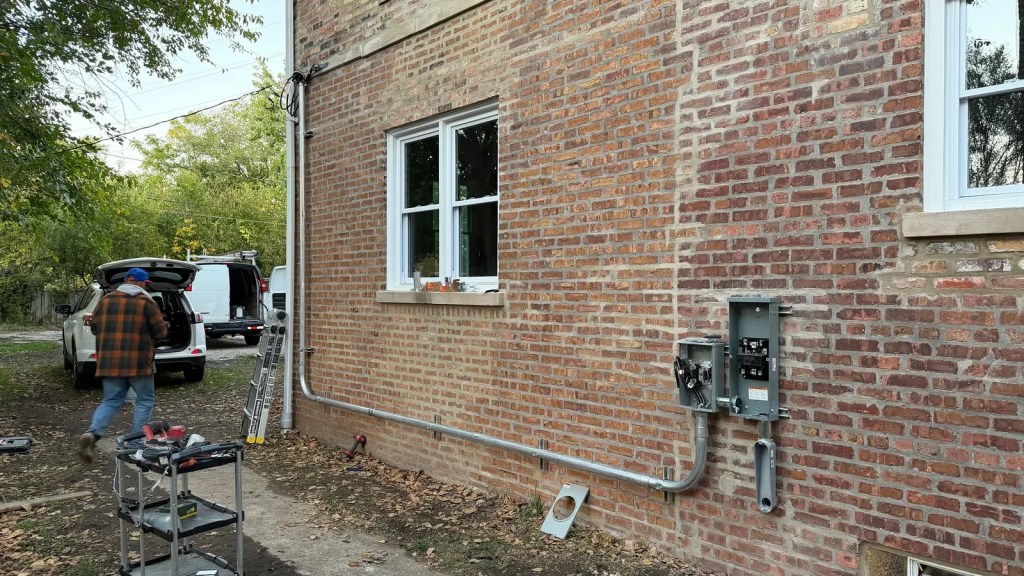
Generator UPS systems
Backup power is a system. The engine is the part people shop for and the least of the problem. Quik Wire Electric handles UPS systems across Des Plaines and 24 Illinois counties. Licensed, insured, permitted where it needs to be.
- Licensed
Illinois electrical contractor license. The work passes inspection.
- Insured
Full coverage on every job, residential through municipal.
- 24/7
No power, burning smell, breaker that will not hold. We answer.
- Permits pulled
We handle the permit and the inspection whenever the village calls for them.
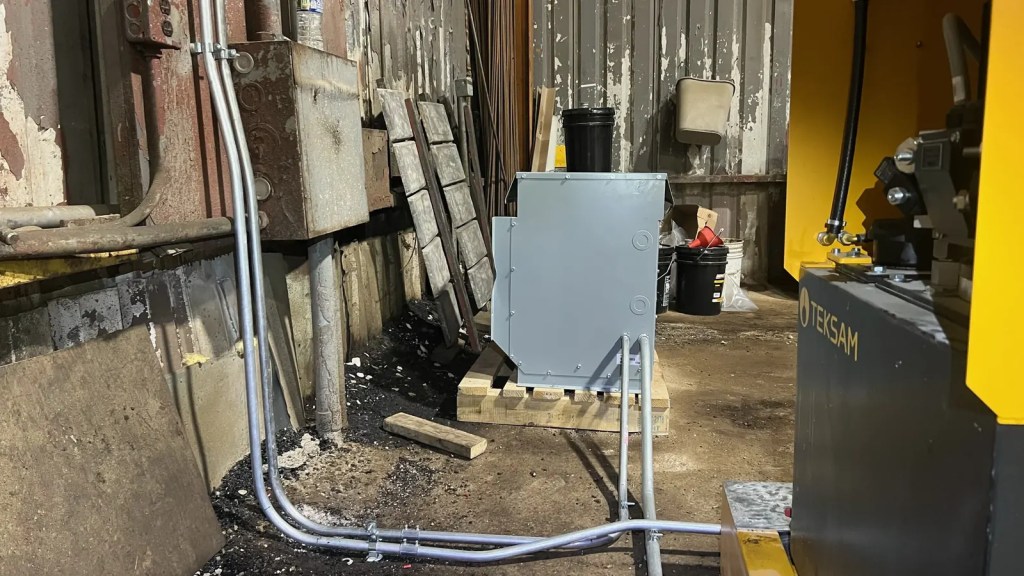
What UPS systems involves
Backup power is a system. The engine is the part people shop for and the least of the problem. The work starts with finding out what is actually there. With UPS systems, that means looking at the existing wiring, the panel capacity and whatever the last person left behind.
It starts with a look at the panel and the circuits involved. From there we tell you what has to be done, what can wait and what was never a problem at all.
Where this comes up
Standby generators, automatic transfer switches and emergency power systems. Most of these calls come from Des Plaines and the surrounding suburbs, but we take them anywhere in our service area.
Older Illinois buildings rarely match the drawings, if there are drawings at all. Circuits wander between floors, junction boxes hide above ceilings, and a single breaker might feed a bedroom and half the kitchen. Tracing it properly is the first hour of a lot of jobs.
How we do it
The electrician who quotes the job comes from the same crew that does it. We work to the current code, test every circuit before we leave and label the panel so the next person can read it.
What changes with an older building
Buildings in this part of Illinois cover about a century of wiring practice. Knob-and-tube in the oldest, cloth-insulated branch circuits after that, aluminum wiring in a stretch of the sixties and seventies, and modern copper since. Each one fails differently and each one has its own repair path.
We look at what is actually in the walls before quoting, because guessing from the year the house was built is how people end up with a surprise halfway through.
Who actually shows up
A licensed electrician from our own crew. Residential, commercial or municipal, the same people do the work and hold it to the same standard. Nobody gets handed off to a subcontractor because the job is small.
When you book, we tell you who is coming. On the day, if we are going to miss the window, you get a call before it closes, so nobody wastes an afternoon waiting.
Code, permits and inspection
Most permitted jobs have two inspections. The rough-in is checked with the walls open, before insulation and drywall. The final happens once devices are in and the power is on. Missing the rough-in means opening finished walls later, so we schedule around it from the start.
We deal with whichever jurisdiction the job sits in. We pull the permit, we schedule the inspection, and we are there when the inspector walks it. You get the paperwork at the end, which matters when you sell the building or when an insurer asks.
Copper, aluminum and what is in your walls
Aluminum branch wiring went into a lot of houses in the late sixties and early seventies. It is not automatically dangerous, but it expands and contracts more than copper, which loosens terminations over time, and it needs devices and connectors rated for it.
The repair is usually not a full rewire. Proper connectors at every termination, done thoroughly, solves most of it. Anybody quoting you a whole-house rewire on sight has not looked.
When to stop and call
If something electrical is giving off heat or a smell, stop using the circuit and call. A fault you can sense from across the room is already past the early stage.
Lights that brighten in one room while they dim in another point to a loose neutral, often at the service or the panel. That one can push high voltage into anything plugged in. Turn off sensitive equipment and call the same day.
The transfer switch is the system
People buy a generator and think of the engine as the product. The part that decides whether backup power actually works is the transfer switch, because it is what keeps generator power from backfeeding onto the utility line where it can kill a lineman.
Automatic switches sense the outage and start the unit without anybody being home. Manual switches cost less and need somebody present. Which one is right depends on what you are protecting.
We tell you what is wrong before we tell you what it costs.
How the job runs
- Step 1
Call
Call and explain the problem to someone who does the work. You get a straight read on urgency right away.
- Step 2
Diagnose
We find the actual fault. Not a guess, and not a rewire you did not need.
- Step 3
Price
You get the number before the work starts, in writing.
- Step 4
Permit
Where the village requires one, we pull it. That is on us, not on you.
- Step 5
Install
Licensed and insured, to code, cleaned up behind us.
- Step 6
Inspect
We meet the inspector and we sign off. You get the documentation.
Other generators work
Related services we handle with the same crew.
- Standby generatorsStandby generators, automatic transfer switches and emergency power systems.
- Commercial generatorsStandby generators, automatic transfer switches and emergency power systems.
- Residential generatorsStandby generators, automatic transfer switches and emergency power systems.
- Government generator systemsStandby generators, automatic transfer switches and emergency power systems.
- Municipal generatorsStandby generators, automatic transfer switches and emergency power systems.
- Emergency generatorsStandby generators, automatic transfer switches and emergency power systems.
- Generator installationStandby generators, automatic transfer switches and emergency power systems.
- Generator wiringStandby generators, automatic transfer switches and emergency power systems.
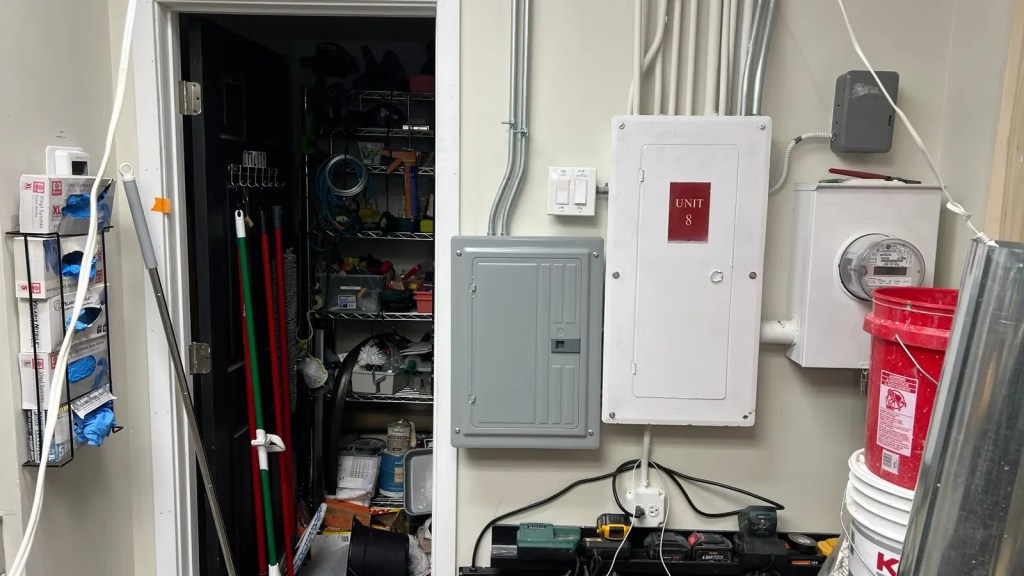
UPS systems, done on the record
Every job goes on the record. A permit filed where the village asks for one, an inspection passed, and a licensed, insured electrician doing the work.
UPS systems questions
Do you handle UPS systems in Des Plaines?
Yes. UPS systems is work we do regularly out of our Des Plaines shop, and we cover 24 counties across Illinois. Call and we will tell you when we can be there.
Is the work permitted and inspected?
Yes. We pull the permit under our license, meet the inspector on site and hand you the closed-out documentation when the job is done.
How soon can you start?
Emergencies get same-day attention. Scheduled work usually starts within a few days, depending on parts and on whether a permit has to clear first.
Are you licensed for this?
It is the first thing you should ask. The answer is yes: Quik Wire Electric holds an Illinois electrical contractor license and carries insurance on every job.
What does it cost?
Sometimes less than people expect, because if a part does not need replacing we say so. Either way you get a written price after we have seen the job, and it holds unless the scope changes.
Where we work
We cover 527 municipalities across 24 counties.
- Des Plaines, ILUPS systems in Des Plaines and the rest of Cook County.
- Northbrook, ILUPS systems in Northbrook and the rest of Cook County.
- Niles, ILUPS systems in Niles and the rest of Cook County.
Need UPS systems?
Call (224) 245-6038. You get an electrician, not a call center.
Rather judge us by the work? Our gallery shows real jobs. If something is wrong right now, reach an electrician here.