
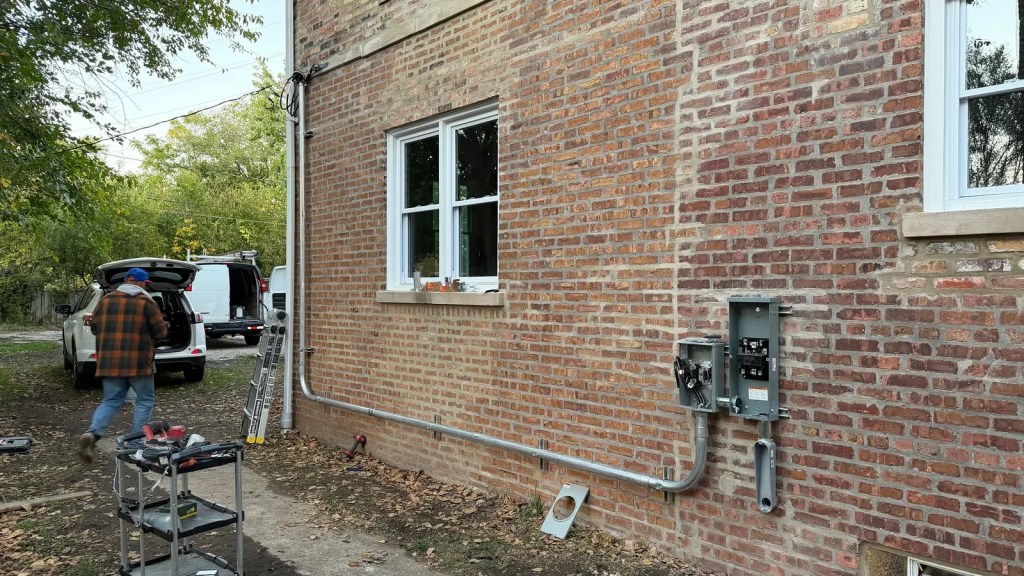
Residential generators
Backup power is a system. The engine is the part people shop for and the least of the problem. Quik Wire Electric handles residential generators across Des Plaines and 24 Illinois counties. Licensed, insured, permitted where it needs to be.
- Licensed
Illinois electrical contractor license. The work passes inspection.
- Insured
Full coverage on every job, residential through municipal.
- 24/7
No power, burning smell, breaker that will not hold. We answer.
- Permits pulled
Permitted work stays on the record, from filing through the final inspection.
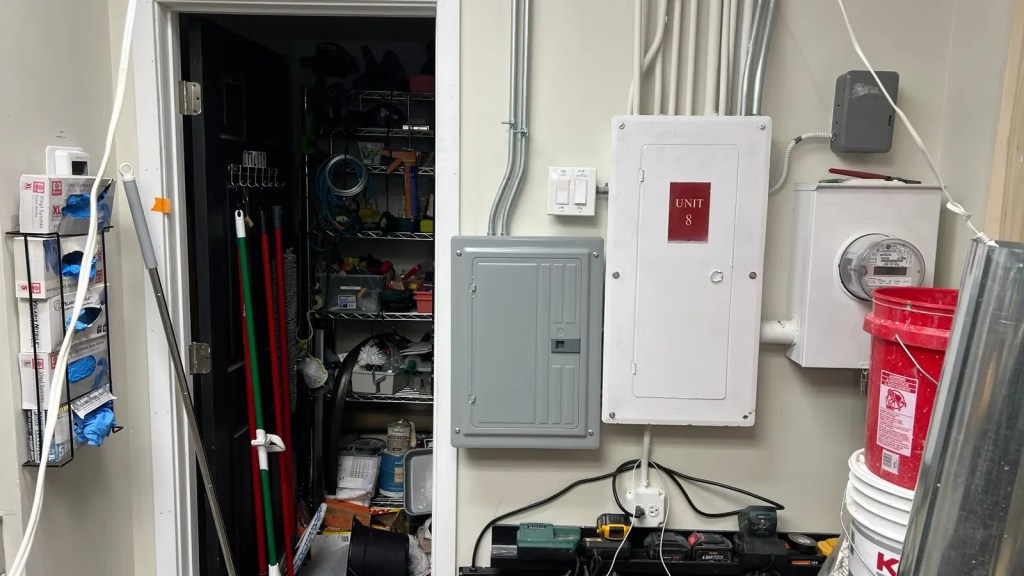
What residential generators involves
Backup power is a system. The engine is the part people shop for and the least of the problem. The work starts with finding out what is actually there. With residential generators, that means looking at the existing wiring, the panel capacity and whatever the last person left behind.
We explain the job in plain terms before anything starts: what we are changing, why, and how long the power will be off. If a smaller fix does the job, that is the fix you get.
Where this comes up
Standby generators, automatic transfer switches and emergency power systems. Most of these calls come from Des Plaines and the surrounding suburbs, but we take them anywhere in our service area.
New load on old wiring is the most common version. A heat pump or a charger for the car goes in, the circuits that were fine until then start complaining, and the real question becomes whether the existing service can carry it at all.
How we do it
Licensed and insured on every call. No job is too small to do properly, and no shortcut is worth an inspector’s red tag. We would rather do it once.
Why it usually cannot wait
Electrical problems do not stay the same size. A loose connection heats up, the heat oxidizes the metal, the oxidized metal raises the resistance, and the resistance makes more heat. That loop runs in one direction only and it ends at a scorched box.
If something is tripping, buzzing, warm to the touch or smells like hot plastic, that is the system telling you where the problem is while it is still cheap to fix.
How we quote it
When there is more than one way to do the job, the quote says so. A subpanel or a new service, repair or replace: you see both options priced, with our honest read on which one your building actually needs.
No lump sums. Every quote is broken out so you can see where the money goes, and it is tied to a defined scope. When the scope holds, the price holds.
The inspection is the point
An inspection is an independent check that what went behind the drywall matches what was supposed to. Work that passes has been verified by somebody with no stake in the invoice.
That is also why we would rather you hire a licensed contractor than the cheapest number you can find. Unpermitted electrical work is a problem you inherit, and it usually surfaces at the worst moment.
Grounding and bonding
Grounding is the part nobody sees and the part that decides whether a fault clears safely. The ground path has to be continuous and low-impedance from every device back to the service, and the neutral and ground can only be bonded together in one place.
A neutral bonded to ground in a subpanel is one of the most common defects we find. It works right up until it does not, and then it puts current on metal that people touch.
When to stop and call
Stop and call when you see sparks from an outlet, smell burning plastic, or notice a cord or plug that has softened or melted. Turn off that circuit at the panel if you can do it safely.
A GFCI outlet that trips the instant you press reset is telling you something specific: there is a ground fault on that line right now. Do not bypass it or replace it with a regular outlet. Unplug everything downstream and call us.
The transfer switch is the system
People buy a generator and think of the engine as the product. The part that decides whether backup power actually works is the transfer switch, because it is what keeps generator power from backfeeding onto the utility line where it can kill a lineman.
Automatic switches sense the outage and start the unit without anybody being home. Manual switches cost less and need somebody present. Which one is right depends on what you are protecting.
We tell you what is wrong before we tell you what it costs.
How the job runs
- Step 1
Call
Start with a phone call. An electrician hears the details and tells you if it is an emergency or something to schedule.
- Step 2
Diagnose
We find the actual fault. Not a guess, and not a rewire you did not need.
- Step 3
Price
You get the number before the work starts, in writing.
- Step 4
Permit
Where the village requires one, we pull it. That is on us, not on you.
- Step 5
Install
Licensed and insured, to code, cleaned up behind us.
- Step 6
Inspect
We meet the inspector and we sign off. You get the documentation.
Other generators work
Related services we handle with the same crew.
- Standby generatorsStandby generators, automatic transfer switches and emergency power systems.
- Commercial generatorsStandby generators, automatic transfer switches and emergency power systems.
- Government generator systemsStandby generators, automatic transfer switches and emergency power systems.
- Municipal generatorsStandby generators, automatic transfer switches and emergency power systems.
- Emergency generatorsStandby generators, automatic transfer switches and emergency power systems.
- Generator installationStandby generators, automatic transfer switches and emergency power systems.
- Generator wiringStandby generators, automatic transfer switches and emergency power systems.
- Generator maintenanceStandby generators, automatic transfer switches and emergency power systems.

Residential generators, done on the record
We do it the way it should be done, under our electrical contractor license and our insurance, with the permit and inspection wherever they are required.
Residential generators questions
Do you handle residential generators in Des Plaines?
Yes. Residential generators is work we do regularly out of our Des Plaines shop, and we cover 24 counties across Illinois. Call and we will tell you when we can be there.
Is the work permitted and inspected?
Yes. Permit requirements change from one village to the next, so we check before we start, pull what is needed and stay through the inspection.
How soon can you start?
When you call, we tell you where you fall. Emergencies are same-day. Most scheduled jobs start within a few days, and if a permit or parts will slow things down, you hear that up front.
Are you licensed for this?
Yes. You are hiring a licensed Illinois electrical contractor with insurance in place, so if something goes wrong, there is a company accountable for it.
What does it cost?
We price each job from what it actually needs, so we look before we name a number. The price is written down before work begins and only changes if the scope changes, and you hear about that before it happens.
Where we work
We cover 527 municipalities across 24 counties.
- Des Plaines, ILResidential generators in Des Plaines and the rest of Cook County.
- Wheeling, ILResidential generators in Wheeling and the rest of Cook County.
- Glenview, ILResidential generators in Glenview and the rest of Cook County.
Need residential generators?
Call (224) 245-6038. You get an electrician, not a call center.
Before you call, browse finished jobs to see how we leave a panel. Then tell us about yours.