
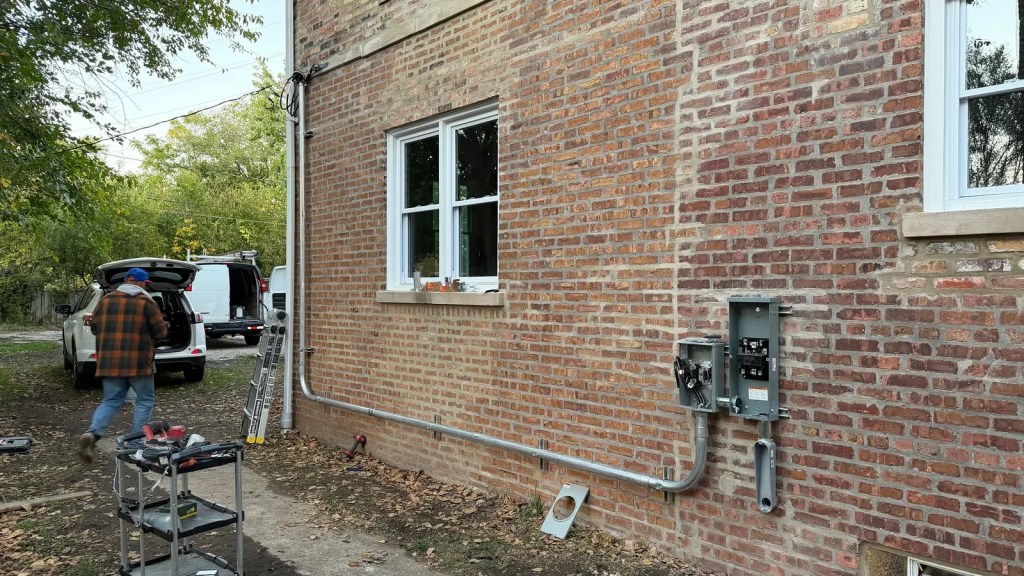
Underground feeders
The service is where the building meets the grid. Everything else is downstream. Quik Wire Electric handles underground feeders across Des Plaines and 24 Illinois counties. Licensed, insured, permitted where it needs to be.
- Licensed
Illinois electrical contractor license. The work passes inspection.
- Insured
Full coverage on every job, residential through municipal.
- 24/7
No power, burning smell, breaker that will not hold. We answer.
- Permits pulled
We pull permits where they apply and stay through the inspection.
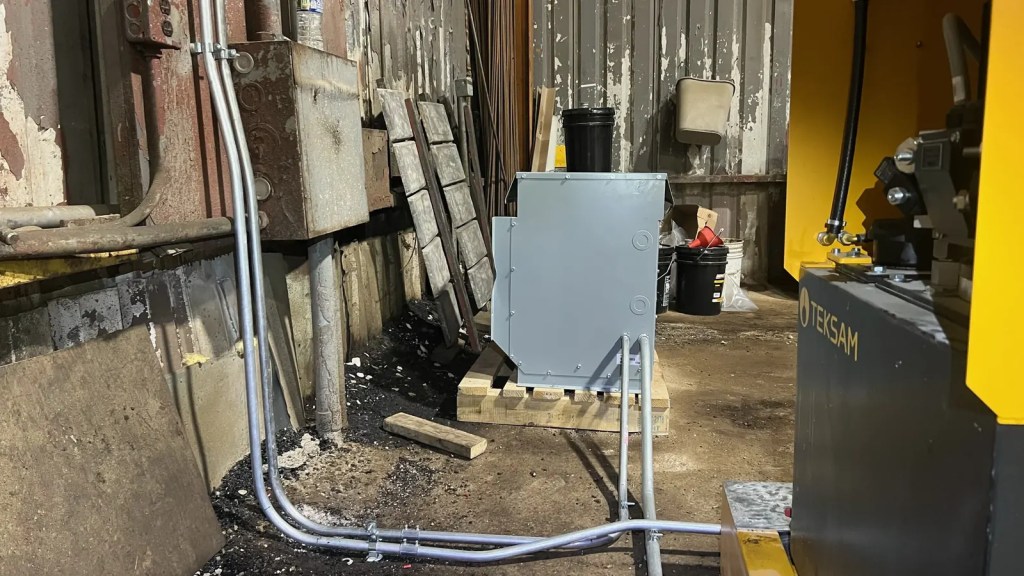
What underground feeders involves
The service is where the building meets the grid. Everything else is downstream. The work starts with finding out what is actually there. With underground feeders, that means looking at the existing wiring, the panel capacity and whatever the last person left behind.
Honest answer first. If what you have is fine, we say it is fine. If it needs work, we tell you how much and why, with the urgent parts separated from the ones that can wait.
Where this comes up
Services, switchgear, transformers and the distribution behind the meter. Most of these calls come from Des Plaines and the surrounding suburbs, but we take them anywhere in our service area.
Older Illinois buildings rarely match the drawings, if there are drawings at all. Circuits wander between floors, junction boxes hide above ceilings, and a single breaker might feed a bedroom and half the kitchen. Tracing it properly is the first hour of a lot of jobs.
How we do it
We show up when we said we would and explain the work before we start. Permits get pulled where they are required, and the job is not finished until it passes inspection.
What changes with an older building
Buildings in this part of Illinois cover about a century of wiring practice. Knob-and-tube in the oldest, cloth-insulated branch circuits after that, aluminum wiring in a stretch of the sixties and seventies, and modern copper since. Each one fails differently and each one has its own repair path.
We look at what is actually in the walls before quoting, because guessing from the year the house was built is how people end up with a surprise halfway through.
Who actually shows up
The owner spent years working for other electrical companies and built this one to do it better. That means licensed electricians on every call, no separate crew for little jobs, and no handing off the work nobody wants to do.
You get told who is coming and roughly when. If we are running late you get a call, which should be the baseline in this trade and somehow is not.
The inspection is the point
An inspection is an independent check that what went behind the drywall matches what was supposed to. Work that passes has been verified by somebody with no stake in the invoice.
That is also why we would rather you hire a licensed contractor than the cheapest number you can find. Unpermitted electrical work is a problem you inherit, and it usually surfaces at the worst moment.
Materials and why they matter
Devices are not all the same. A fifty-cent backstabbed outlet holds the conductor with a spring clip; a commercial-grade one clamps it under a screw plate. The second kind is a couple of dollars more and it is the reason the connection is still tight in fifteen years.
We use commercial-grade devices as standard. It is a small share of the job cost and it is the part most likely to fail if you go cheap on it.
The warning signs people ignore
Look at the panel more often than you do. Rust inside the door, a breaker that feels warm, a label that no longer matches what the circuit runs. Those are easy to miss because nobody opens the panel until something is wrong. A quick look now beats a call at two in the morning.
Flicker counts. If a light flickers and the bulb is fine, something in that circuit is making and breaking contact, and that gets worse with time.
Service size is a ceiling on everything
The service is the limit every other circuit lives under. A 100-amp service was generous when houses had one air conditioner and a gas range. Add electric cooking, a heat pump, a car charger and a finished basement and it stops being enough.
Upgrading means coordinating with ComEd, replacing the meter socket and mast, and sizing the new panel for what the building will need in ten years rather than exactly what it needs today.
We tell you what is wrong before we tell you what it costs.
How the job runs
- Step 1
Call
You describe the symptom to an electrician who has seen it before. Urgent or not, you know before you hang up.
- Step 2
Diagnose
We find the actual fault. Not a guess, and not a rewire you did not need.
- Step 3
Price
You get the number before the work starts, in writing.
- Step 4
Permit
Where the village requires one, we pull it. That is on us, not on you.
- Step 5
Install
Licensed and insured, to code, cleaned up behind us.
- Step 6
Inspect
We meet the inspector and we sign off. You get the documentation.
Other power work
Related services we handle with the same crew.
- Electrical service installationServices, switchgear, transformers and the distribution behind the meter.
- Service electrical service upgradesServices, switchgear, transformers and the distribution behind the meter.
- Electrical service replacementServices, switchgear, transformers and the distribution behind the meter.
- Electrical service repairsServices, switchgear, transformers and the distribution behind the meter.
- Utility service connectionsServices, switchgear, transformers and the distribution behind the meter.
- Electrical meter installationServices, switchgear, transformers and the distribution behind the meter.
- Main disconnectsServices, switchgear, transformers and the distribution behind the meter.
- Main service panelsServices, switchgear, transformers and the distribution behind the meter.
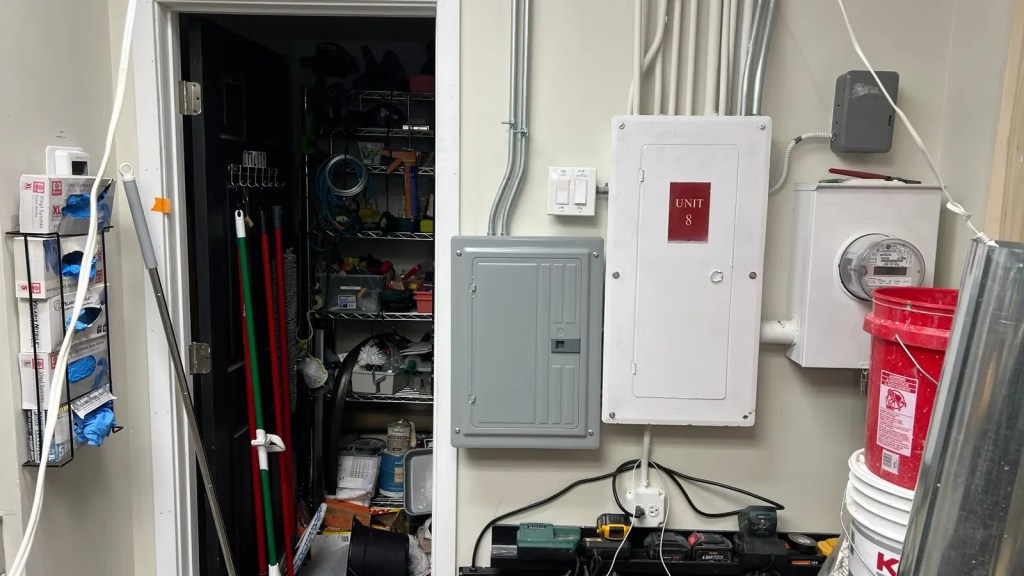
Underground feeders, done on the record
Every job goes on the record. A permit filed where the village asks for one, an inspection passed, and a licensed, insured electrician doing the work.
Underground feeders questions
Do you handle underground feeders in Des Plaines?
Yes. Underground feeders is work we do regularly out of our Des Plaines shop, and we cover 24 counties across Illinois. Call and we will tell you when we can be there.
Is the work permitted and inspected?
Yes. We pull the permit under our license, meet the inspector on site and hand you the closed-out documentation when the job is done.
How soon can you start?
Same day for emergencies, any day of the week. For scheduled jobs a few days is typical, though a permit or a special-order part can push that out.
Are you licensed for this?
Yes. Quik Wire Electric holds an Illinois electrical contractor license and carries insurance. Every electrician on the job works under that license.
What does it cost?
Sometimes less than people expect, because if a part does not need replacing we say so. Either way you get a written price after we have seen the job, and it holds unless the scope changes.
Where we work
We cover 527 municipalities across 24 counties.
- Des Plaines, ILUnderground feeders in Des Plaines and the rest of Cook County.
- Wheeling, ILUnderground feeders in Wheeling and the rest of Cook County.
- Arlington Heights, ILUnderground feeders in Arlington Heights and the rest of Cook County.
Need underground feeders?
Call (224) 245-6038. You get an electrician, not a call center.
Want to see the work first? Look through the gallery, or tell us what is happening.