
Electrical load calculations
Service work means coordinating with the utility, not just with the customer. Quik Wire Electric handles electrical load calculations across Des Plaines and 24 Illinois counties. Licensed, insured, permitted where it needs to be.
- Licensed
Illinois electrical contractor license. The work passes inspection.
- Insured
Full coverage on every job, residential through municipal.
- 24/7
No power, burning smell, breaker that will not hold. We answer.
- Permits pulled
The village gets its permit and you get the inspection record.
What electrical load calculations involves
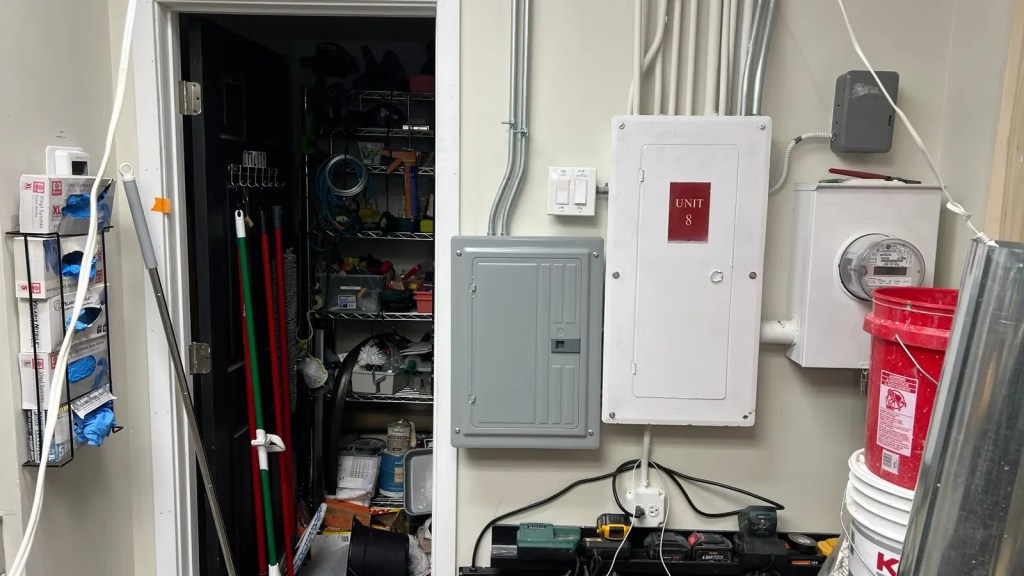
Service work means coordinating with the utility, not just with the customer. The work starts with finding out what is actually there. With electrical load calculations, that means looking at the existing wiring, the panel capacity and whatever the last person left behind.
We explain the job in plain terms before anything starts: what we are changing, why, and how long the power will be off. If a smaller fix does the job, that is the fix you get.
Where this comes up
Services, switchgear, transformers and the distribution behind the meter. Most of these calls come from Des Plaines and the surrounding suburbs, but we take them anywhere in our service area.
New load on old wiring is the most common version. A heat pump or a charger for the car goes in, the circuits that were fine until then start complaining, and the real question becomes whether the existing service can carry it at all.
How we do it
Licensed electricians, to code, cleaned up behind us. Where the village requires a permit we pull it and we meet the inspector, so the work is on record and it passes.
Why it usually cannot wait
Electrical problems do not stay the same size. A loose connection heats up, the heat oxidizes the metal, the oxidized metal raises the resistance, and the resistance makes more heat. That loop runs in one direction only and it ends at a scorched box.
If something is tripping, buzzing, warm to the touch or smells like hot plastic, that is the system telling you where the problem is while it is still cheap to fix.
How we quote it
We price after an electrician has had the panel cover off and traced the circuits involved. It takes a little longer than a number over the phone, and it means the price you approve is the price on the invoice unless the scope changes.
You get a written quote with the work broken into items, so you can compare it, question it or ask us to adjust the scope. Once you approve it, that is the job. Changes only happen with your say-so.
Code, permits and inspection
Unincorporated areas usually fall under the county for permits instead of a village. The process, the paperwork and the inspection schedule can all differ, so the first question on any permitted job is simply who has jurisdiction at that address.
We deal with whichever jurisdiction the job sits in. We pull the permit, we schedule the inspection, and we are there when the inspector walks it. You get the paperwork at the end, which matters when you sell the building or when an insurer asks.
Copper, aluminum and what is in your walls
Aluminum branch wiring went into a lot of houses in the late sixties and early seventies. It is not automatically dangerous, but it expands and contracts more than copper, which loosens terminations over time, and it needs devices and connectors rated for it.
The repair is usually not a full rewire. Proper connectors at every termination, done thoroughly, solves most of it. Anybody quoting you a whole-house rewire on sight has not looked.
What to do before we arrive
If an outlet or switch is sparking or scorched, leave it alone and turn off its breaker. Do not pull the plug from a device that is visibly burning at the receptacle. Keep people and pets out of that room until we get there.
Leave the affected circuit off if it smells hot or keeps tripping. Otherwise, just remember what you were using when it acted up.
Service size is a ceiling on everything
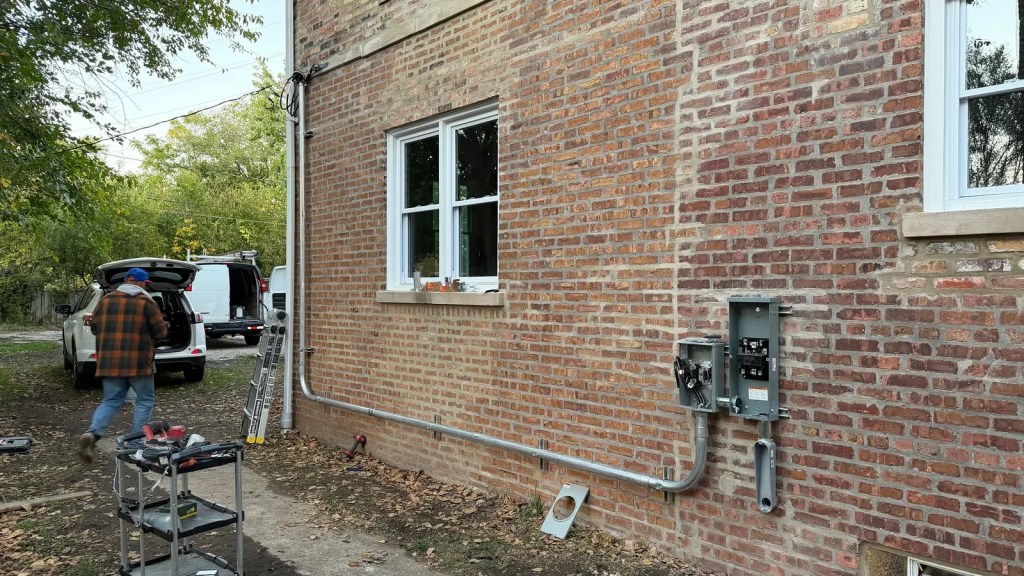
The service is the limit every other circuit lives under. A 100-amp service was generous when houses had one air conditioner and a gas range. Add electric cooking, a heat pump, a car charger and a finished basement and it stops being enough.
Upgrading means coordinating with ComEd, replacing the meter socket and mast, and sizing the new panel for what the building will need in ten years rather than exactly what it needs today.
We tell you what is wrong before we tell you what it costs.
How the job runs
- Step 1
Call
Start with a phone call. An electrician hears the details and tells you if it is an emergency or something to schedule.
- Step 2
Diagnose
We find the actual fault. Not a guess, and not a rewire you did not need.
- Step 3
Price
You get the number before the work starts, in writing.
- Step 4
Permit
Where the village requires one, we pull it. That is on us, not on you.
- Step 5
Install
Licensed and insured, to code, cleaned up behind us.
- Step 6
Inspect
We meet the inspector and we sign off. You get the documentation.
Other power work
Related services we handle with the same crew.
- Electrical service installationServices, switchgear, transformers and the distribution behind the meter.
- Service electrical service upgradesServices, switchgear, transformers and the distribution behind the meter.
- Electrical service replacementServices, switchgear, transformers and the distribution behind the meter.
- Electrical service repairsServices, switchgear, transformers and the distribution behind the meter.
- Utility service connectionsServices, switchgear, transformers and the distribution behind the meter.
- Electrical meter installationServices, switchgear, transformers and the distribution behind the meter.
- Main disconnectsServices, switchgear, transformers and the distribution behind the meter.
- Main service panelsServices, switchgear, transformers and the distribution behind the meter.

Electrical load calculations, done on the record
Licensed and insured on every call. Where a permit applies it is filed, and the inspection closes the job.
Electrical load calculations questions
Do you handle electrical load calculations in Des Plaines?
Yes. Electrical load calculations is work we do regularly out of our Des Plaines shop, and we cover 24 counties across Illinois. Call and we will tell you when we can be there.
Is the work permitted and inspected?
Yes. Permit requirements change from one village to the next, so we check before we start, pull what is needed and stay through the inspection.
How soon can you start?
When you call, we tell you where you fall. Emergencies are same-day. Most scheduled jobs start within a few days, and if a permit or parts will slow things down, you hear that up front.
Are you licensed for this?
Yes. Quik Wire Electric is insured and holds an Illinois electrical contractor license, which is what lets us pull permits and stand behind the work at inspection.
What does it cost?
Tell us what is going on and we can tell you what kind of job it probably is. The firm number comes after we have seen it, written and itemized, and it stays put unless the work changes.
Where we work
We cover 527 municipalities across 24 counties.
- Des Plaines, ILElectrical load calculations in Des Plaines and the rest of Cook County.
- Evanston, ILElectrical load calculations in Evanston and the rest of Cook County.
- Palatine, ILElectrical load calculations in Palatine and the rest of Cook County.
Need electrical load calculations?
Call (224) 245-6038. You get an electrician, not a call center.
Not sold yet? Browse the jobs we have finished, then send over what you need wired.